
Month: July 2025

How to Store Shampoo Bars So They Last Longer and Waste LessHow to Store Shampoo Bars So They Last Longer and Waste Less

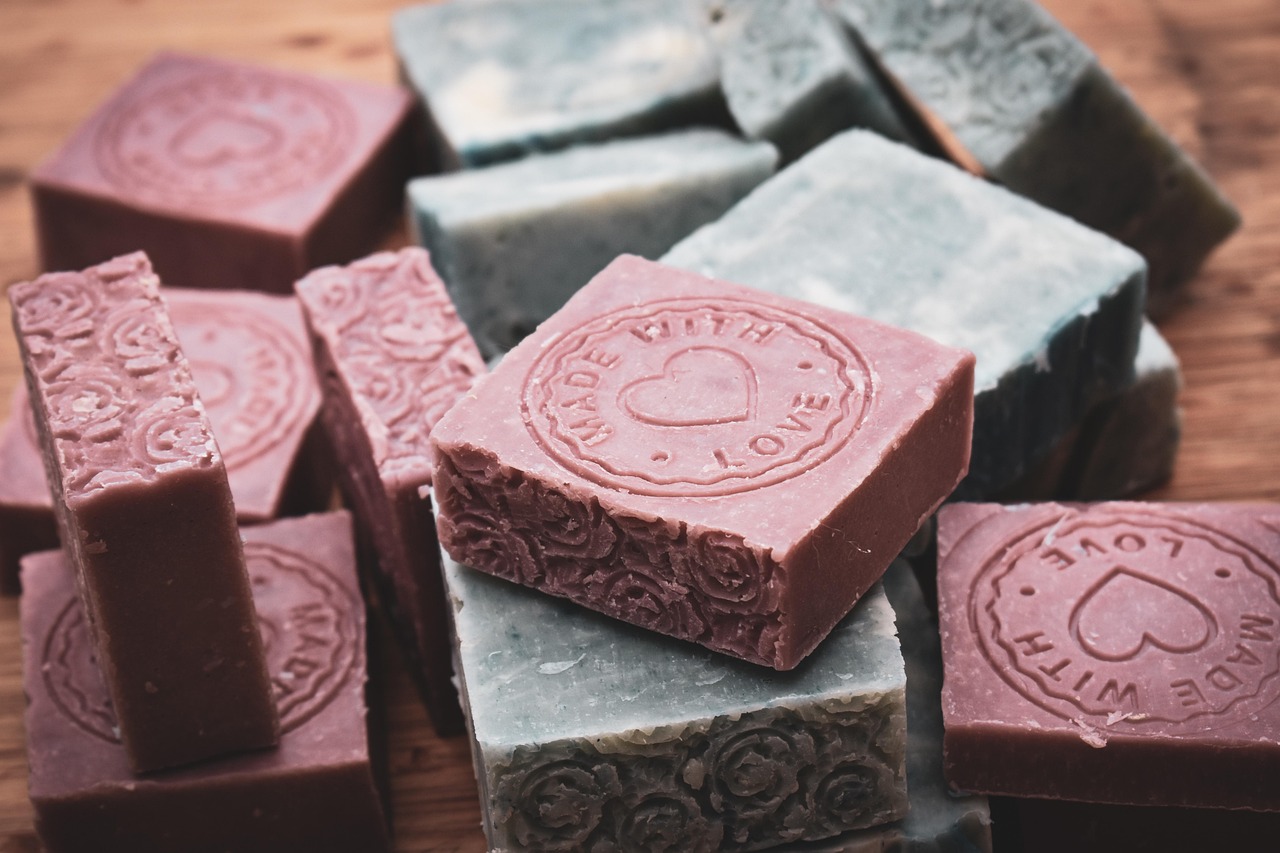
So, you’ve ditched plastic bottles for a solid shampoo bar. Great call. But it’s usually disintegrating into goo after just a few showers. Many people make the switch with good intentions, then end up chucking half-melted bars in frustration. And if you’re still on the fence about which shampoo bar actually works best for your hair?

Before you toss another one, take a second to consider storage. That’s been covered too, tested and compared, so you don’t have to play guessing games in the shower.

Avoid the Swamp Zone

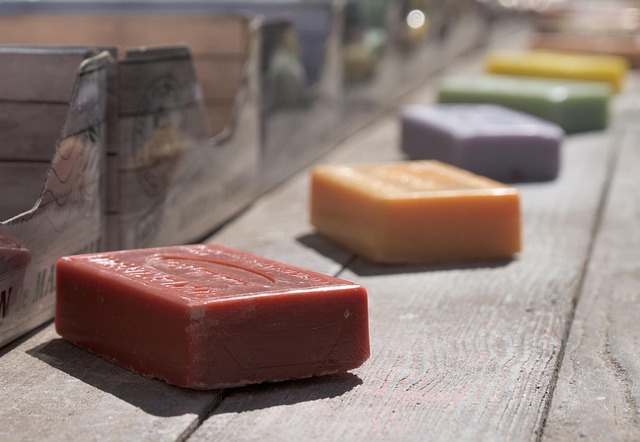
Shampoo bars are no match for standing water. Leave one in a puddle, and it’ll melt faster than an ice cube on a sidewalk. The trick? Elevate it. Use a dish that drains. Wooden slats, wire racks, even coconut fiber soap holders, anything that lifts it up and away from pooled water. Skip flat ceramic trays. They might look nice, but they turn into mini swamps.

Air Is Your Bar’s Best Friend

You wouldn’t lock wet clothes in a plastic bag, right? The same goes for shampoo bars. After each use, give it a chance to breathe. An open dish near a window or even outside the shower is ideal. For those who love fancy containers, there’s a catch. Don’t seal your bar in a tin while it’s still wet. Let it dry fully first. Then you can stash it in a container or wrap it loosely in cloth for later use.
Keep It High, Keep It Dry

Water flies everywhere during showers. Even if your bar isn’t under the stream, it might still be catching spray. Try placing it on a high shelf, far from splash zones. Less splash means longer life. Wall-mounted soap holders work wonders here. Stick one on your tile, and let gravity do the work. Just make sure it’s got airflow.

Smart Travel Storage

Shampoo bars shine when traveling. TSA loves them. Suitcases don’t. But if you toss one into your bag while still damp, you’re asking for trouble. The solution’s simple: pat it dry with a towel, wrap it loosely, and let it air out whenever possible. Once fully dry, it can go in a tin or pouch for safekeeping. Reusing an old glasses case? Genius. Lightweight, protective, and easy to clean.

What to Do With Those Annoying Leftovers

Let’s talk about the slivers. You know, the thin, floppy bits that always slip away mid-lather. Instead of throwing them out, press them into your new bar while both are damp. Give it a night to dry, and they’ll stick together like old friends. Or collect several slivers in a mesh soap saver. They’ll lather just fine, and you’ll stretch every cent out of your purchase.


A Little Maintenance Goes a Long Way

Treat your shampoo bar like something that matters, and it’ll pay you back with weeks of clean hair. Let it dry. Keep it elevated. Store it smart. These tiny habits stop waste, save money, and avoid the soggy mess that turns people off solid shampoo for good. Take care of your bar, and it’ll take care of you, right down to the last lather.…

How to Select Comfortable and Stylish Nightgowns for Older AdultsHow to Select Comfortable and Stylish Nightgowns for Older Adults

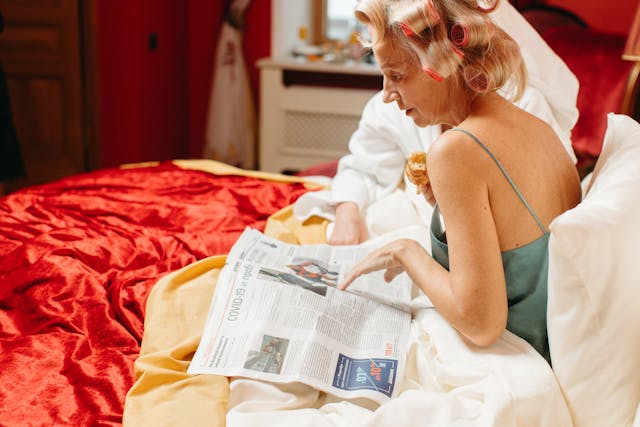
Selecting the right nightwear for aging individuals isn’t just about sleep—it’s about comfort, dignity, and ease of care. As people age, mobility limitations, skin sensitivities, and fluctuating body temperatures become more common. That’s why choosing the right nightgown is an essential step in promoting restful sleep and overall well-being. For those supporting older loved ones or looking to upgrade their own bedtime routine, a guide to stylish and comfy nightshirts offers valuable insights to get started on the right path.

Choose Breathable, Skin-Friendly Fabrics

The first factor to consider is the material. Soft, breathable fabrics such as bamboo and cotton are excellent for older adults, offering both comfort and temperature control. These materials are more gentle on sensitive skin and allow airflow, helping prevent overheating or night sweats. Jersey and lightweight modal are also worthy alternatives for those who want a bit more stretch or a silkier texture. Avoid rough or overly synthetic materials that can irritate skin or cause discomfort through the night. The feel of the fabric should be pleasant to the touch—this simple test helps narrow down choices quickly.

Look for Easy-to-Wear Designs

Comfort goes beyond fabric—it includes how easy it is to get dressed or undressed. This becomes especially important for older adults with arthritis, reduced strength, or limited mobility. Nightgowns with wide neck openings, front buttons, or snap closures make dressing much simpler, especially if a caregiver assists with daily routines. Loose-fitting sleeves and generous openings reduce the need for twisting or lifting arms. Some nightgowns are made specifically to accommodate walkers or medical equipment, which may be a smart choice depending on the individual’s needs.

Find the Right Length and Fit

Length matters more than you might think. Long gowns that sweep the floor can become tripping hazards, while those that are too short may leave legs exposed and cold. Aim for something that falls between the knees and calves for the best mix of safety and comfort. As for fit, nightgowns should be loose and allow free movement but not so baggy that they bunch up during sleep. A slightly A-line silhouette is ideal—it offers space without feeling bulky.

Select Features that Prevent Irritation

Older adults often have more fragile skin, which means even minor details can make a big difference. Nightgowns with flat seams, tag-free labels, or external stitching help reduce the risk of friction and irritation. Also, be mindful of the neckline—tight or scratchy trims can be uncomfortable, especially for those who shift a lot while sleeping. If possible, choose garments labeled as hypoallergenic or made from natural fibers, especially if the individual experiences frequent itching or rashes.

Don’t Underestimate Style and Color

While function is key, the appearance of sleepwear still matters. Many older adults appreciate looking presentable—even in sleepwear—especially in assisted living settings where daily interaction is common. A cheerful pattern or elegant design can brighten one’s mood and bring a sense of normalcy and pride to daily routines. Whether your loved one prefers floral prints, calming pastels, or classic checks, choosing something they personally like can help them feel more at ease and self-assured. Nightgowns don’t need to be plain to be practical.

Focus on Maintenance and Durability

The final consideration is care. Choose nightgowns that are easy to launder and maintain their softness and shape after multiple washes. Machine-washable materials are typically the best choice, especially if laundry is done frequently. Fabrics that resist fading, pilling, or shrinking offer long-term comfort and are more economical in the long run. Steer clear of nightwear that requires hand-washing, dry cleaning, or delicate care cycles unless absolutely necessary.

Conclusion

Finding the right nightgown for an older adult is a thoughtful process that balances comfort, safety, and personal preference. From breathable fabrics and easy closures to attractive styles and durable construction, each element contributes to a better bedtime experience. Whether shopping for a loved one or yourself, taking these features into account can make restful nights easier to achieve.…